
Many clients struggle to apply therapeutic techniques consistently between sessions. Mood changes go untracked, coping tools are forgotten, and homework often remains incomplete. When this happens, sessions spend valuable time revisiting what occurred instead of building forward momentum, which can slow progress and affect outcomes.
Apart from therapist management software that handles scheduling or documentation, well-chosen apps for therapists can help bridge this gap in client care. These apps support clients between sessions by enabling mood tracking, CBT practice, anxiety management, and mindfulness exercises in real time. You gain clearer visibility into patterns, symptoms, and engagement, allowing sessions to focus on insight, skill refinement, and therapeutic direction.
In this blog, you will explore essential categories of recommended apps for therapists beyond practice management. We cover tools for CBT and thought work, anxiety and stress support, mindfulness and meditation, mood tracking, trauma and sleep support, and client engagement through therapeutic homework.
Key Takeaways
- Therapy apps extend clinical care beyond sessions, helping clients practice skills, track moods, and reinforce learning daily.
- CBT & thought‑work apps like MindShift CBT, Youper, and CBT Thought Diary help clients restructure negative thoughts and complete homework.
- Mood and symptom tracking apps such as Daylio, Bearable, and Moodfit provide real‑time insights into emotional patterns and triggers.
- Anxiety and stress support apps including MyLife and Breathwrk offer guided breathing and mindfulness exercises for immediate coping.
- Mindfulness and meditation apps like Calm, Headspace, and Insight Timer support emotional regulation and consistent self‑care routines.
- Specialized tools such as PTSD Coach, CBT‑i Coach, and MoodTools assist clients with trauma, insomnia, or depression-focused interventions.
- Client engagement apps like Wysa, Sanvello, and eMoods help assign homework, monitor progress, and maintain session continuity.
- Integration with practice management software like Simply.Coach ensures secure tracking, assignment sharing, and workflow efficiency without replacing therapy.
Benefits of Using the Right Apps in Therapy Practice
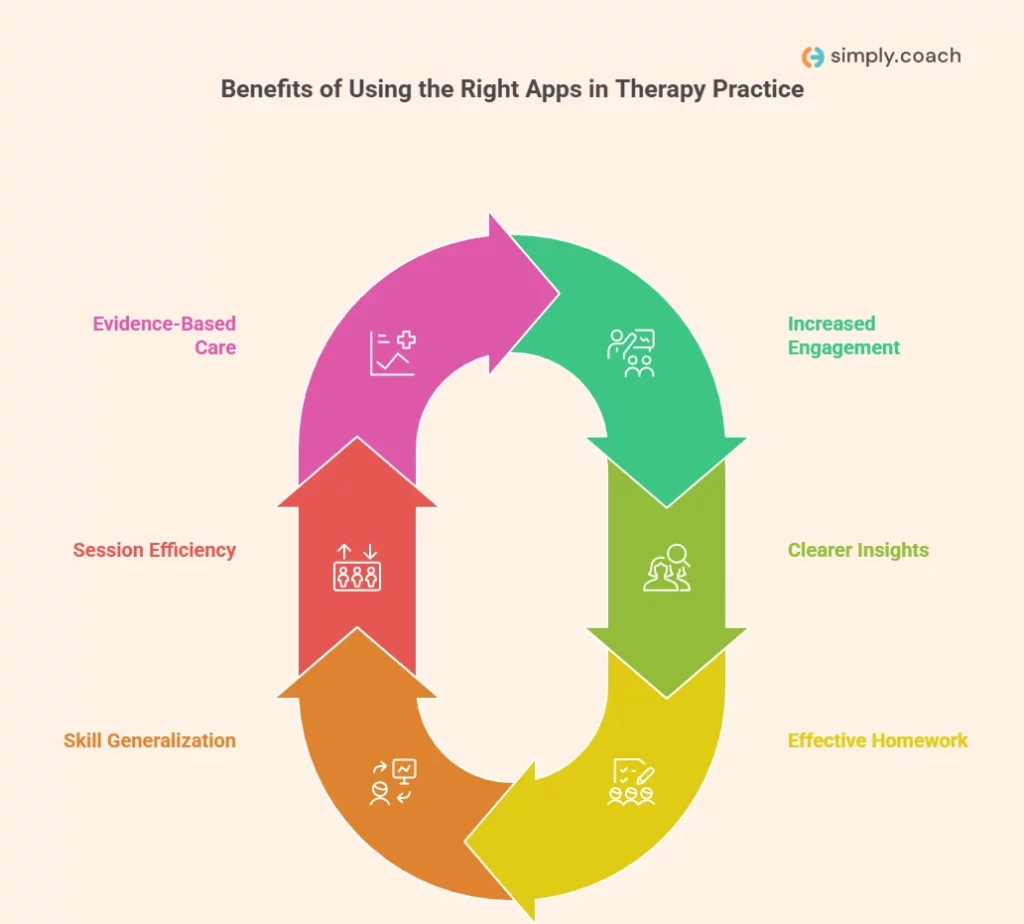
Choosing the right app for therapist can strengthen how clients engage with therapy outside sessions and apply skills consistently. These benefits focus on clinical value rather than operational or administrative use.
- Stronger between-session engagement: Apps help clients practice CBT tools, mindfulness, breathing, or mood tracking when real situations occur, not just during sessions. This keeps therapy active beyond appointment hours.
- Clearer insight into client patterns: Mood logs, symptom trackers, and thought records give you concrete data about emotional shifts, triggers, and behaviors. Sessions become more focused on interpretation rather than recall.
- More effective homework follow-through: Structured app-based exercises make assignments easier to complete and less likely to be forgotten. Clients know exactly what to practice and how often.
- Improved skill generalization: Clients apply coping strategies in daily life, which supports long-term change rather than session-limited progress. Skills become habits through repetition.
- Better session efficiency: When clients track experiences in real time, you spend less time reconstructing events and more time working on patterns, insights, and next steps.
- Support for evidence-based care: Many apps reinforce CBT, mindfulness, exposure, or emotion regulation techniques you already use, extending your clinical approach without replacing it.
By integrating the right apps thoughtfully, you support consistent client practice, deepen therapeutic insight, and make each session more impactful without adding clinical noise.
Also read: Top 10 HIPAA-Compliant Therapy Practice Management Software: A 2026 Guide for Therapists
CBT & Thought‑Work Apps (Best for Cognitive Restructuring)
Many clients struggle to recognize automatic negative thoughts or track patterns between sessions, which can slow progress in therapy. CBT apps provide structured tools for clients to record thoughts, analyze beliefs, and practice cognitive restructuring outside of your sessions. Using these apps, you can assign homework, monitor thought patterns remotely, and review insights collaboratively, making sessions more focused and actionable.
1. MindShift CBT
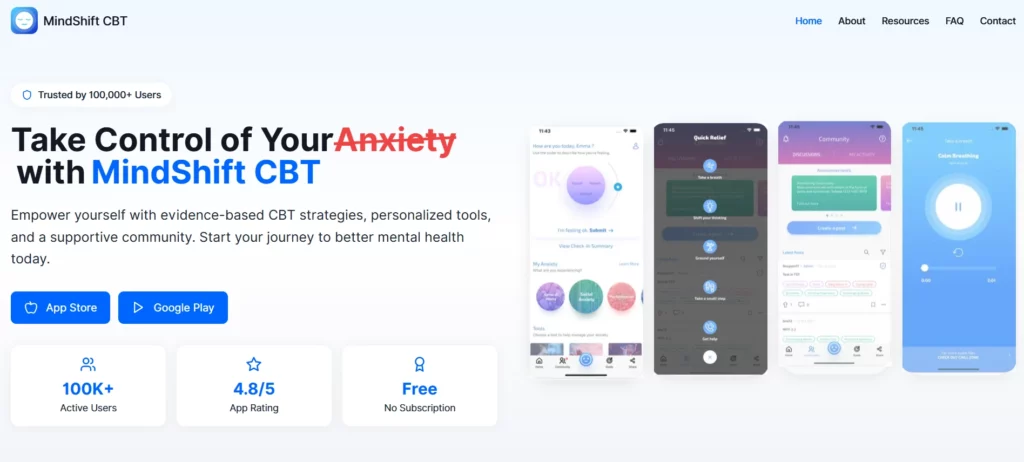
MindShift CBT helps clients with anxiety practice evidence-based coping strategies, making thought restructuring actionable between sessions.
Key features:
- Thought journal: Clients record and challenge negative thoughts, helping identify patterns that affect anxiety.
- Coping cards: Step-by-step exercises to manage panic, social anxiety, and stress episodes.
- Guided mindfulness exercises: Breathing and relaxation techniques to regulate emotions during high-stress moments.
- Homework exercises: Structured CBT exercises designed to reinforce skills learned in sessions.
2. Youper
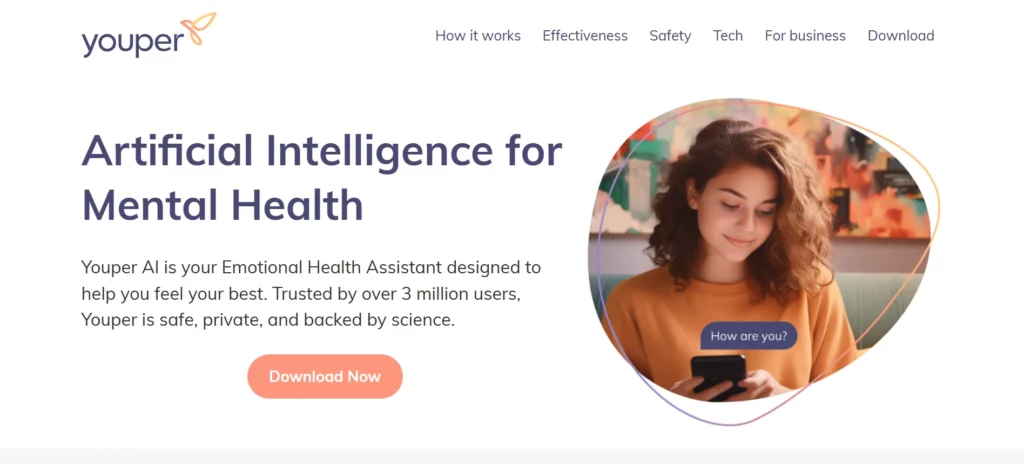
Youper enables clients to explore emotional patterns through AI-guided CBT conversations, supporting self-reflection and skill practice outside sessions.
Key features:
- AI conversational support: Guides clients to identify thought distortions and emotional triggers.
- Mood tracking: Logs emotions daily to reveal patterns and inform therapy discussions.
- Personalized CBT exercises: Tailored activities for anxiety, stress, or low mood.
- Interactive prompts: Daily exercises that encourage consistent practice and engagement.
3. CBT Thought Diary
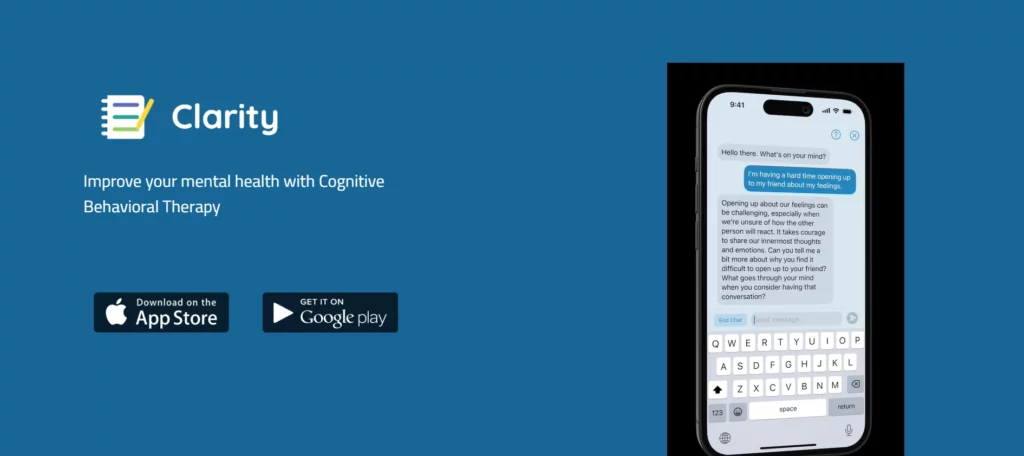
CBT Thought Diary provides a structured platform for clients to record automatic thoughts and behavioral responses, supporting measurable cognitive restructuring.
Key features:
- ABC thought logs: Systematic recording of Antecedent-Belief-Consequence to track thought-emotion links.
- Historical trend charts: Visualize changes in thoughts and emotions over time.
- Exportable session logs: Shareable reports for collaborative review during therapy sessions.
- Homework-focused exercises: Reinforce skills taught during therapy with structured assignments.
Each of these apps for therapist use allows clients to practice CBT skills effectively while giving you actionable insights to guide treatment and reinforce learning outside sessions.
Mood & Symptom Tracking Apps (Best for Daily Emotional Insight)
Tracking mood and symptoms in detail gives you rich, real‑time data to inform treatment planning and session focus. High‑quality mood trackers let clients log emotional states frequently and visually chart patterns, helping you and the client spot triggers, shifts, and correlations over time. The apps below blend simplicity with meaningful tracking insights that you can review collaboratively.
4. Daylio
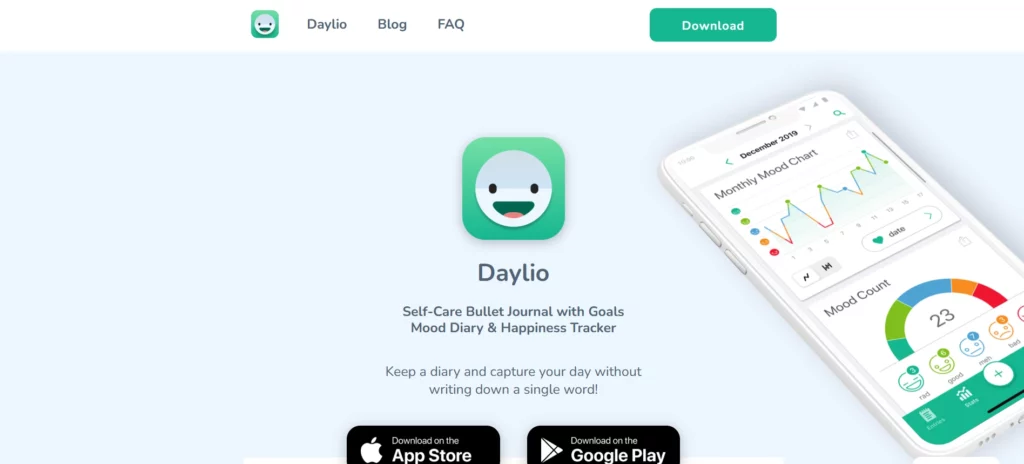
Daylio turns everyday mood logging into a habit that reveals emotional trends and activity correlations without requiring long journal entries.
Key features:
- Quick mood and activity tracking: Clients tap mood icons and link activities to entries for fast daily logs.
- Visual mood charts: The app generates weekly, monthly, and yearly mood graphs to spot trends and patterns.
- Goal setting and reminders: Clients can set goals and reminders to reinforce consistency in tracking.
- Customisation and privacy: Moods, activities, and PIN protection can be customized to match client needs.
Daylio’s simple interface makes it easy for clients to record emotions frequently, and the visual trend data can help you tailor discussion points in sessions.
5. Bearable
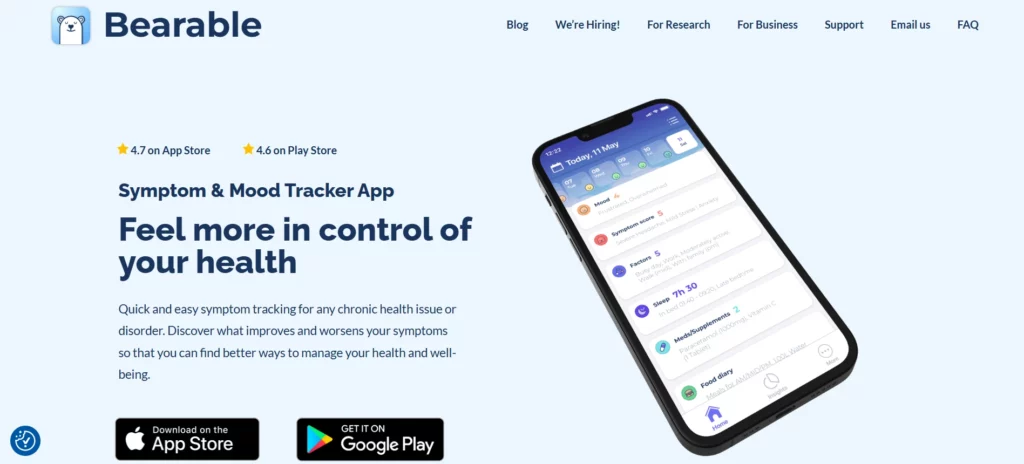
Bearable expands mood tracking to include symptoms, lifestyle factors, and health data so you can explore how daily variables influence emotional states.
Key features:
- Comprehensive mood and symptom logs: Clients can record mood alongside sleep, energy, pain, stress, and physical symptoms.
- Correlation analysis: The app highlights connections between lifestyle factors and emotional changes over time.
- Customizable tracking fields: Clients add custom variables relevant to their treatment goals.
- Clinician‑friendly trend reports: Weekly and monthly summaries provide structured patterns that are useful during therapy reviews.
Bearable’s ability to blend physical and emotional data helps you work with clients to uncover real‑world triggers and supports more nuanced clinical conversations.
6. Moodfit
Moodfit acts like a personalized emotional health dashboard, combining mood tracking with behavior insights and therapeutic tools you can assign between sessions.
Key features:
- Mood journal: Clients log emotions daily, building a history of patterns over time.
- Lifestyle tracking: Tracks sleep, exercise, nutrition, and social interactions to show how these factors affect mood.
- CBT and breathwork tools: Built‑in CBT exercises and breathing practices support emotion regulation.
- Insights and goals: Reports and daily goals help clients identify what improves or worsens their mood.
Moodfit’s combination of mood tracking and actionable tools lets you bridge symptom monitoring with skills practice tailored to your client’s needs.
Related: 18 Effective Person-Centered Therapy Techniques & Interventions
Anxiety & Stress Support Apps (Designed to Reduce Symptoms and Teach Coping Skills)
These apps give your clients tools they can use in moments of anxiety or stress to calm the nervous system and regain focus. They blend guided breathing, personalized mindfulness, and stress‑relief techniques you can assign as homework or explore together in sessions.
7. MyLife (Formerly Stop, Breathe & Think)
MyLife uses emotional check‑ins to suggest personalized mindfulness and breathing activities based on how your client feels at that moment.
Key features:
- Emotional check‑ins: Clients check in with their feelings, then the app suggests meditations tailored to those emotions.
- Guided meditations: A range of short and longer mindfulness sessions help clients calm anxiety or stress.
- Breathing exercises: Deep breath and calming practices help ground clients in moments of distress.
- Progress tracking: Mood logging before and after activities supports discussion about emotional shifts over time.
MyLife’s personalized approach helps clients gain awareness of their emotional states and learn calming techniques that are relevant to their current needs.
8. Rootd
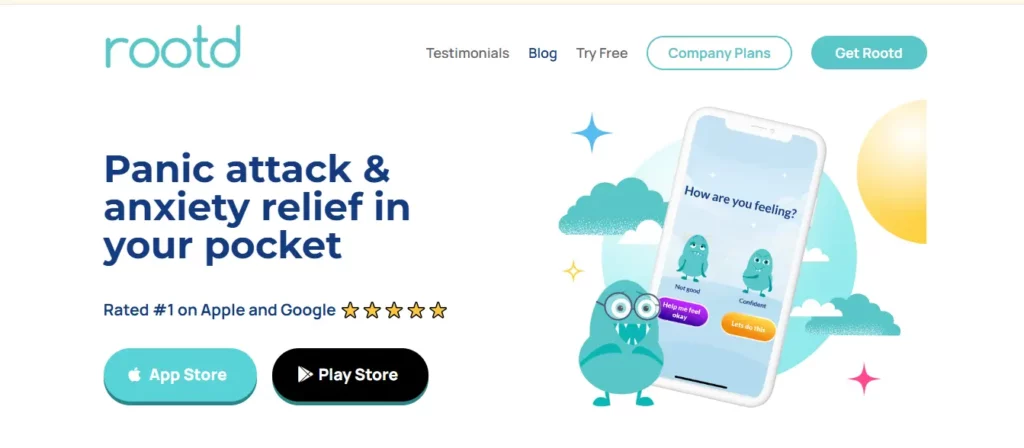
Rootd is designed specifically for panic attacks and acute anxiety episodes, giving clients step-by-step guidance during moments of distress.
Key features:
- Panic attack support mode: Real-time walkthrough to help clients ride out panic episodes using CBT-based reassurance and grounding.
- Educational lessons: Explains the science of anxiety and panic to reduce fear of symptoms.
- Breathing and grounding tools: Structured exercises to calm the nervous system.
- Progress tracking: Logs panic episodes and improvements over time for therapy review.
Rootd is particularly useful for clients experiencing recurring panic attacks, as it provides immediate structured support while reinforcing CBT-aligned coping strategies you teach in sessions.
9. Breathwrk

Breathwrk focuses exclusively on structured breathwork exercises that help clients quickly reduce stress, calm anxiety, and improve focus.
Key features:
- Guided breathwork sessions: Over 50 structured protocols targeting calm, sleep support, focus, and anxiety reduction.
- In-the-moment stress relief: Quick breathing exercises for clients to use during acute anxiety or panic episodes.
- Skill progression: Exercises range from beginner to advanced, allowing gradual mastery and confidence in self-regulation.
- Custom reminders: Clients can set notifications to practice breathing routines consistently throughout the day.
Breathwrk equips clients with tangible, practical breathing techniques they can use independently, helping reinforce emotional regulation and mindfulness outside of therapy sessions.
Also read: Stress Management Counseling Techniques and Approaches
Mindfulness & Meditation Apps (Support Emotional Regulation, Practice, And Grounding)
These apps help clients build mindful awareness and emotional balance, making it easier to manage stress and anxiety between sessions. The tools below give structured guided practice, teach foundational mindfulness skills, and help clients develop consistent self‑regulation habits.
10. Calm
Calm provides guided mindfulness practices and supportive audio content that help clients regulate emotions and improve sleep quality.
Key features:
- Daily guided meditations: Short and long meditations designed for stress, focus, and emotional balance.
- Sleep stories and soundscapes: Narrated bedtime tales and ambient sounds to support restful sleep.
- Breathing exercises: Grounding breathwork sessions to calm anxious states.
- Themed programs: Structured meditation series on topics such as gratitude, self‑esteem, and stress relief.
Calm’s combination of guided practice and soothing audio helps clients stay grounded and emotionally regulated even when they feel overwhelmed.
11. Headspace
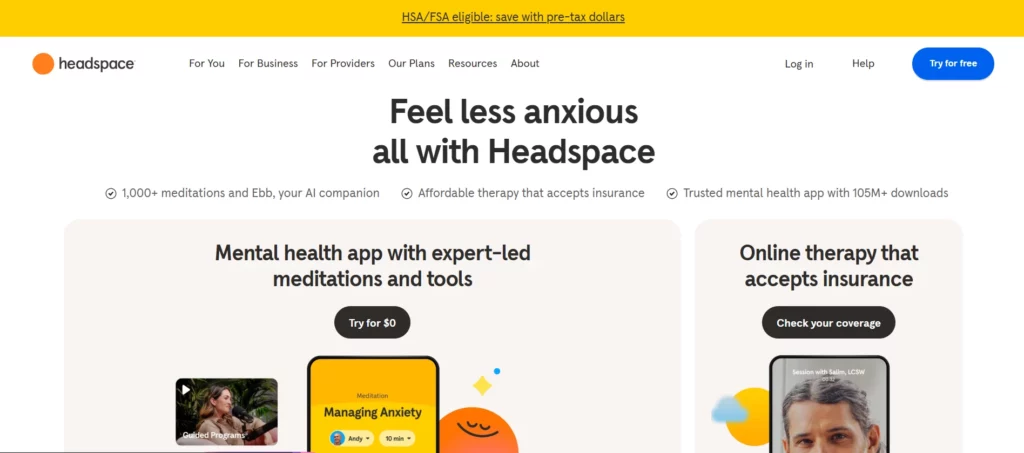
Headspace teaches foundational meditation skills through structured lessons and short sessions clients can use daily to regulate stress and emotions.
Key features:
- Guided mindfulness courses: Step‑by‑step meditation lessons tailored to stress, anxiety, and sleep.
- Daily meditation: A fresh meditation delivered each day to build a consistent practice.
- SOS exercises: Quick, targeted meditations for moments of stress or panic.
- Movement and focus modules: Mindful movement and focus exercises that connect body awareness with emotional regulation.
Headspace’s structured approach is particularly helpful for clients new to mindfulness or those needing clear guidance on building a daily meditation habit.
12. Insight Timer
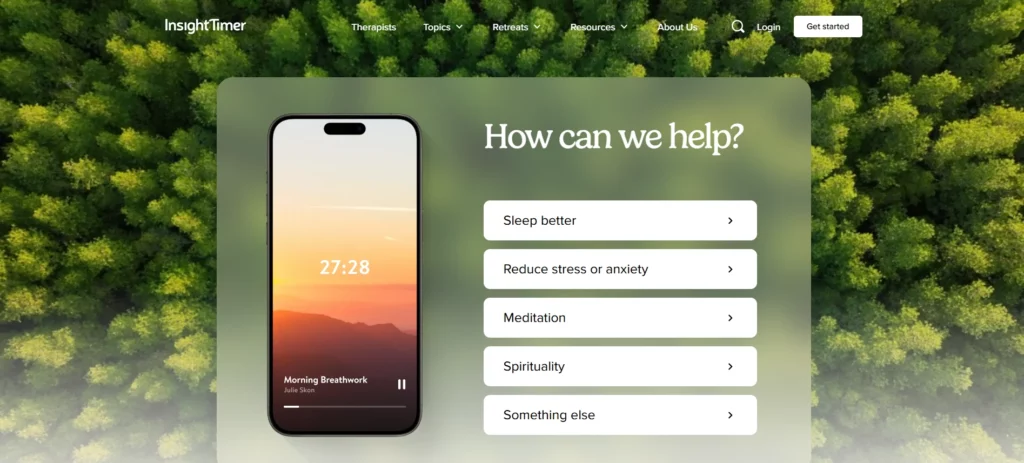
Insight Timer offers the largest free library of guided meditations and mindfulness practices, making it a versatile choice for diverse client needs.
Key features:
- Extensive guided library: Thousands of guided meditations from global teachers covering anxiety, sleep, stress, and compassion.
- Customizable timer: A flexible meditation timer for self‑paced practice.
- Music & ambient sounds: Relaxing tracks and soundscapes to support focus, relaxation, or sleep.
- Community and groups: Options for clients to join meditation groups and explore topic‑specific practices.
Insight Timer’s wide range of free content lets clients explore different mindfulness approaches and find styles that resonate with their unique needs.
Specialized Support Tools (Trauma & Sleep)
Clients with trauma histories or persistent sleep problems often need tools that go beyond general mood or anxiety support. These apps combine symptom tracking, psychoeducation, and structured exercises you can integrate into treatment plans to deepen clinical insight and support healing between sessions.
13. PTSD Coach
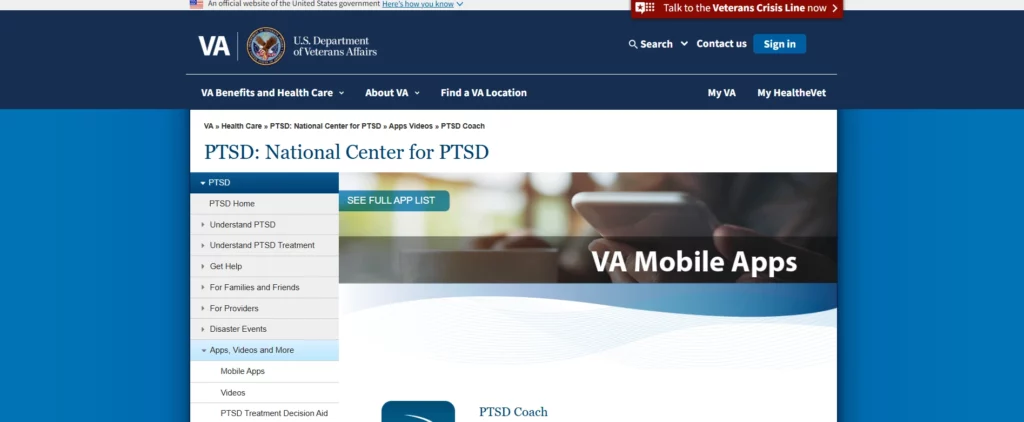
PTSD Coach gives clients trauma‑focused coping tools and symptom tracking grounded in research so you can support stress management and recovery.
Key features:
- Trauma education: Provides reliable psychoeducation about PTSD, common symptoms, and evidence‑based coping strategies.
- Symptom assessment & tracking: Clients can screen and monitor trauma symptoms over time to identify patterns.
- Manage symptoms tools: Offers guided relaxation exercises, coping techniques, and soothing audio for distress tolerance.
- Find support links: Includes direct links to support resources and help options when needed.
PTSD Coach is free and designed to be used with clinical guidance, giving clients structured ways to cope with trauma reactions between sessions.
14. CBT‑i Coach
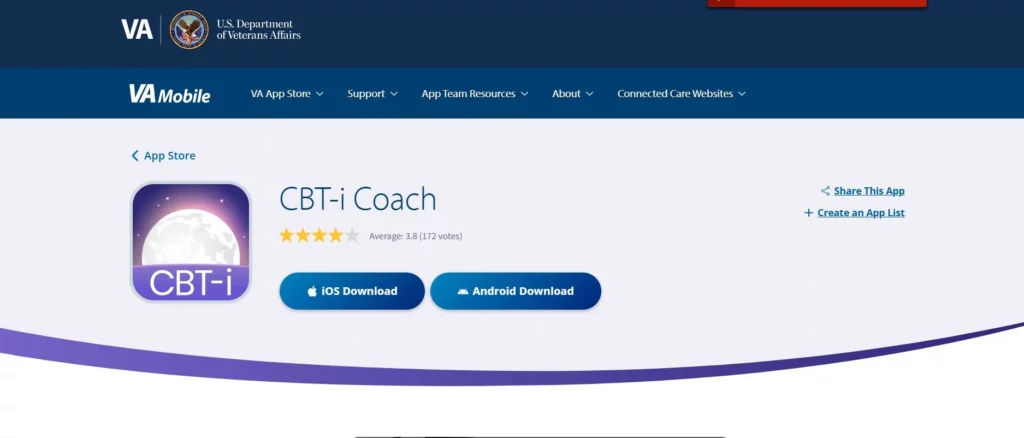
CBT‑i Coach focuses on insomnia related to trauma, teaching clients how to change sleep habits and thoughts that interfere with rest.
Key features:
- Sleep diary: Clients log bed times, wake times, and habits like caffeine or exercise, helping you review sleep patterns collaboratively.
- Psychoeducation about sleep: Provides CBT‑I based guidance on healthy sleep habits and strategies to reset sleep routines.
- Relaxation and wind‑down tools: Includes relaxation exercises and tips for improving sleep environment and pre‑sleep routines.
- Reminders & tracking: Automated reminders help clients stick with sleep diaries and bedtime behaviors.
CBT‑i Coach is intended to augment work you do in sessions on insomnia, giving clients structured support for changing unhelpful sleep patterns.
15. MoodTools
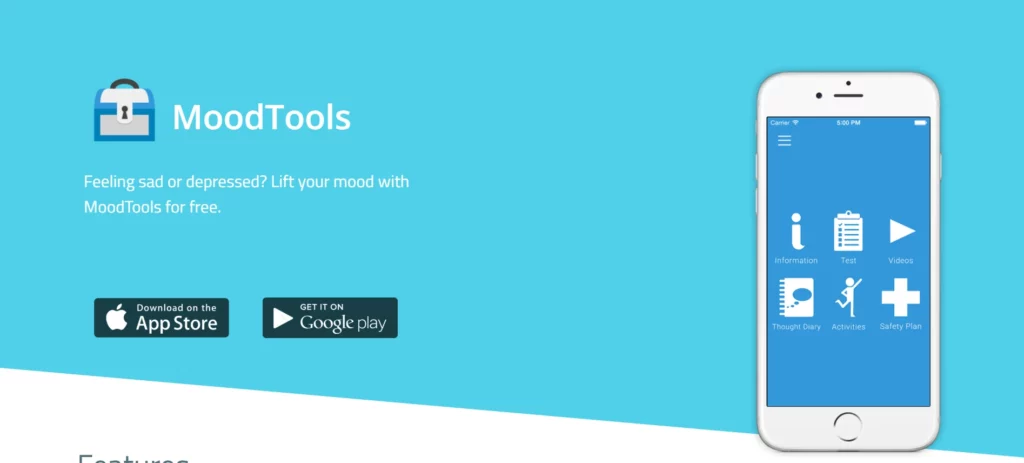
MoodTools provides depression‑oriented CBT resources, symptom tracking, and safety planning tools clients can use with your oversight.
Key features:
- PHQ‑9 tracking: Clients take the validated PHQ‑9 questionnaire and monitor severity changes over time.
- Thought diary: A CBT‑based journal for identifying and challenging negative or distorted thinking.
- Safety planning: Builds a safety plan clients can turn to in crisis, with emergency resources included.
- Educational resources: Provides self‑help information and external videos to supplement therapy learning.
MoodTools helps you extend CBT techniques beyond sessions by giving clients structured tools for thought analysis, behavior activation, and safety planning.
Client Engagement & Homework Apps (Help Assign and Monitor Therapeutic Tasks)
These apps help you keep clients engaged between sessions, assign specific exercises, and review their progress. Each tool below can support structured homework, symptom tracking, and reflective practice that enriches therapy work.
16. Wysa

Wysa gives clients an AI‑driven conversational space to practice CBT and DBT‑based exercises and stay engaged between sessions.
Key features:
- AI chatbot support: Clients can interact with an empathetic, conversational bot that guides them through evidence‑based CBT, DBT and mindfulness tools.
- Interactive therapeutic exercises: A library of self‑help techniques that clients can use for anxiety, stress, or low mood in between sessions.
- Mood check‑ins: Clients can reflect on their feelings and get tailored self‑care suggestions based on their current emotional state.
- Optional human coaching: For clients wanting deeper support, Wysa offers guided coaching that reinforces clinical goals.
Wysa’s AI‑guided interaction helps clients practice therapeutic skills daily without replacing clinical judgement, and keeps them engaged with practical strategies outside appointments.
17. Sanvello
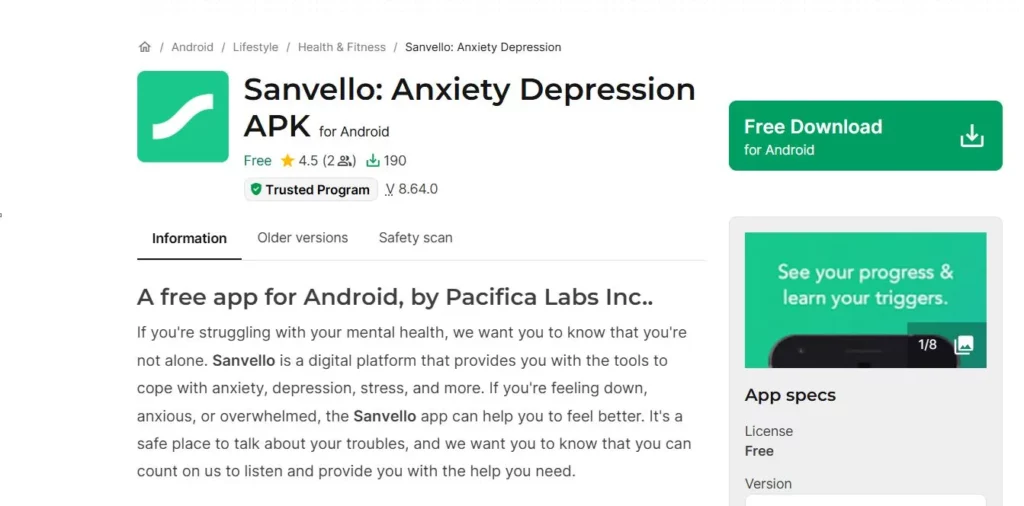
Sanvello combines mood tracking with structured CBT‑based courses and coping tools to support clients in consistent skill practice between sessions.
Key features:
- Daily mood tracking: Clients record emotions and behaviors regularly, building data you can reference in sessions.
- Guided CBT courses: Step‑by‑step self‑guided lessons reinforce CBT techniques tailored to individual needs.
- Coping tools: Includes relaxation exercises, journaling prompts, and stress‑reduction techniques.
- Progress insights: Trend and checklist features help clients see changes over time and stay motivated.
Sanvello helps you assign meaningful homework that blends mood monitoring with skill development rooted in evidence‑based CBT practices.
18. eMoods Bipolar Mood Tracker
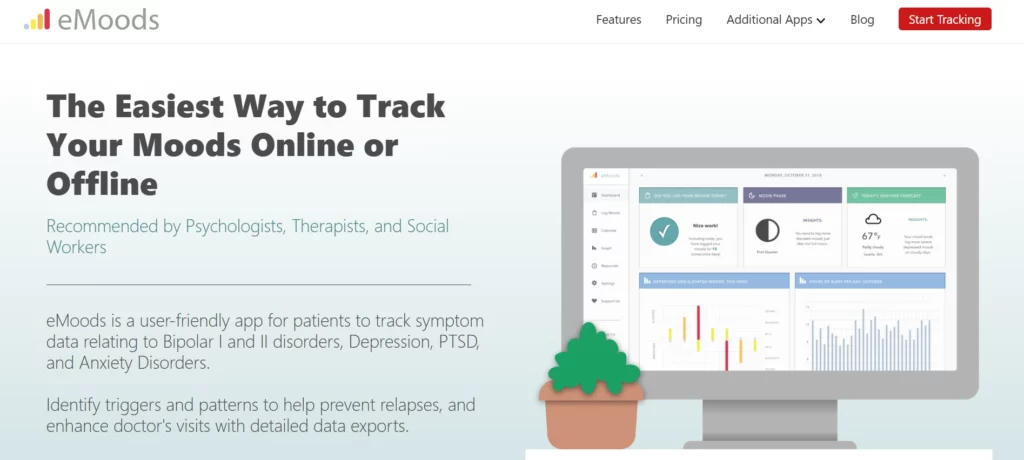
eMoods Bipolar Mood Tracker offers detailed symptom logging and report sharing that can deepen dialogue about triggers and mood patterns.
Key features:
- Mood and symptom diary: Clients log daily highs and lows, sleep, medications, and other symptoms for nuanced tracking.
- Visual trend graphs: Built‑in charts let therapists and clients quickly identify patterns over time.
- Exportable reports: Monthly summary reports can be emailed to you for collaborative review.
- Medication and triggers tracking: Stores data on meds, sleep, and environmental influences to inform clinical decision‑making.
eMoods gives you a structured way to discuss triggers and symptom shifts based on real‑world data rather than memory recall alone.
Also read: 50+ Resources, Tools, and Worksheets for Therapists
Conclusion
What matters most in therapy is not just what happens in a session, but how clients engage with therapeutic tools in their daily lives. The apps covered in this guide give clients real‑world ways to track mood, reframe thoughts, cope with stress, practice mindfulness, and document meaningful patterns. When you and your clients use these tools thoughtfully, you spend less session time reconstructing experiences and more time making targeted progress toward treatment goals. These apps become extensions of your clinical work, helping clients stay connected to the therapeutic process and giving you clearer insight into what’s happening between visits.
As you integrate digital tools for client engagement and homework, you also need a secure home base for your practice. Simply.Coach is an all‑in‑one therapy practice management software built specifically for therapists and counsellors. It brings core practice workflows into one platform so you can support clients efficiently while maintaining high standards of privacy and care. Key features include:
- Session notes and goal planning for tracking client progress and development plans.
- Action reminders and forms to share assessments and follow‑up tasks with clients.
- Scheduling and client workspace for seamless in‑person and online session management.
- Resource library and digital assessments to support continuous learning and structured interventions.
- Secure invoicing and payments with broad currency and language support.
- HIPAA, SOC2, and GDPR compliance to keep client data confidential and protected.
Simply.Coach helps you centralize your clinical documentation, client engagement tools, and operational tasks in one secure place, letting you focus on what matters most, delivering meaningful therapeutic outcomes.
FAQs
1. What are the most evidence‑based apps recommended by therapists for CBT skills practice?
Therapists often recommend apps with CBT frameworks that include structured exercises and thought logs, such as CBT Thought Diary, MindShift CBT, and Youper, because they align with clinical CBT principles and support measurable client practice.
2. Can clients share mood or symptom tracking data from apps with their therapist securely?
Many mood tracking apps like Daylio and Bearable allow export of charts or CSV data that clients can share during sessions, but you should confirm privacy policies and consent before reviewing.
3. Which mental health apps combine AI‑guided exercises with evidence‑based therapeutic techniques?
Apps like Wysa use an AI conversational agent with CBT, DBT, and mindfulness exercises, offering structured skill practice while also supporting human coaching features where available.
4. Are there apps that help clients track specific mood disorders like bipolar mood swings?
Yes, specialized trackers such as eMoods Bipolar Mood Tracker let clients log daily highs, lows, sleep, medications, and triggers, helping therapy discussions around mood stabilization.
5. How can therapists integrate app‑based homework into treatment without overwhelming clients?
Therapists can assign specific, time‑limited tasks (for example, daily mood logging or breathwork exercises) with clear criteria and review plans, ensuring clients focus on actionable steps rather than open‑ended “do more” instructions.