Introduction: What is the STAR Coaching Model?
I’ve seen the STAR Coaching Model help clients slow down, unpack what really happened, and make sense of their reactions. Developed by David Bonham-Carter and rooted in Cognitive Behavioral Therapy (CBT), it helps people see the link between their thoughts, behaviors, and outcomes.
Each stage brings focus: the Situation sets the scene, the Task clarifies what was expected, the Action looks at what they did, and the Result explores what followed. It gives structure to experiences that might otherwise feel messy or emotional, guiding both coach and client from insight toward practical change.
When & Why the Model is Used
STAR shines when clarity is needed most. It helps people pause, trace back what led to a situation, and see patterns they might have missed.
I’ve used it in performance, stress, and leadership coaching, anywhere people need to understand not just what happened, but why they responded that way. Because it’s grounded in CBT, STAR helps surface the thoughts that drive behavior, making it easier to replace unhelpful patterns with constructive action.
It’s a simple, practical, and deeply human framework that meets people where they are and helps them move forward with awareness and intent.
Framework Breakdown
The STAR Coaching Model is a simple, structured way to turn real experiences into learning. It moves through four natural stages – Situation, Task, Action, and Result, helping clients look back with clarity and move forward with purpose.
We start with what happened, surface the thinking that shaped it, look at what was done, and draw out what it led to.
Situation — Set the Scene
Every reflection starts with the story itself. The Situation sets the scene, what was happening, who was involved, and what made it significant. By slowing down to name the facts without judgment, clients begin to see their experience with greater clarity and context.
Questions to open up
- What’s the specific situation that’s creating difficulty?
- What’s the context and the key details?
- Who else was involved?
- When and where did this happen?
- What made it particularly challenging?
Prompts to go deeper
- What factors contributed to this situation?
- How did you first perceive it?
- What was your emotional state at the time?
- Were there early warning signs?
- How similar is this to situations you’ve faced before?
Task (or Thoughts) – Name the Frame
This stage turns inward. Task explores what the person believed they needed to do, while Thoughts uncover the mental framing that shaped their choices. It’s about noticing expectations, assumptions, and internal dialogue, the unseen drivers behind behavior.
Questions to open up
- What thoughts ran through your mind?
- What did you think you should do?
- What expectations did you place on yourself?
- What goals were you aiming for?
- What did you believe was required of you?
Prompts to go deeper
- Were these thoughts helpful or limiting?
- What assumptions were you making?
- How realistic were your expectations?
- What self-talk showed up?
- Did your thoughts align with your values?
Action — Map the Response
Here, attention shifts to what was actually done. The Action stage examines behavior in motion: how the client responded, what guided their decisions, and how well their actions aligned with their intentions. It’s a bridge between awareness and practice.
Questions to open up
- How do you typically respond in moments like this?
- What specific actions did you take?
- How did you make those decisions?
- How did you manage your emotions?
- What behaviors were visible to others?
Prompts to go deeper
- Were your actions aligned with your intentions?
- What alternatives did you consider?
- How did others respond?
- What patterns do you notice in your responses?
- Did you seek support or advice before acting?
Result — Gather Outcomes and Learning
Finally, Result closes the loop by connecting actions to outcomes, both tangible and emotional. Clients reflect on what worked, what didn’t, and what they’ve learned, turning each experience into insight they can carry forward.
Questions to open up
- What were the outcomes of your actions?
- How did you feel afterward?
- Did you achieve what you intended?
- What was the impact on others?
- What did you learn from this?
Prompts to go deeper
- Any unintended consequences?
- How would you measure success here?
- What would you do differently next time?
- How might this shape your future responses?
- What have you learned about yourself?
Applications & Adaptations
What makes the STAR Coaching Model so effective is its simplicity. It brings structure to reflection without overcomplicating it. STAR fits naturally into conversations where awareness and action both matter, whether in leadership development, personal growth, or performance improvement. Wherever someone needs to pause, understand a response, and shape a better one next time, STAR offers a steady path for learning and change.
Leadership and Executive Development
In fast-paced business environments, leaders often face moments where decisions and emotions collide. The STAR model helps them step back and make sense of what’s really happening beneath the surface.
Take a new executive navigating a difficult team dynamic. By walking through the four stages, defining the Situation, clarifying their Task, reviewing their Actions, and reflecting on the Result, they begin to see what drove their reactions and what could be done differently. Over time, this practice builds stronger self-awareness, steadier communication, and a more grounded leadership presence.
Personal Growth and Stress Management
STAR is equally valuable for individuals working on self-awareness or emotional balance. Because it draws from Cognitive Behavioral Therapy (CBT), it helps uncover how thoughts and beliefs shape behavior.
Someone managing chronic stress, for example, might use STAR to unpack a tense workday: naming the Situation that triggered stress, exploring the Thoughts that intensified it, examining the Actions taken in response, and reflecting on the Result, both emotional and practical. This process helps identify unhelpful thinking loops and build healthier coping strategies over time.
Team Reflection and Learning
Teams also benefit from STAR when reflecting on shared experiences. After a project or challenge, the model provides a neutral way to explore what happened without assigning blame.
By walking through each stage together, outlining the Situation, revisiting the Task or shared goal, reviewing the Actions taken, and discussing the Results, teams uncover where communication worked, where it faltered, and what they want to do differently next time. The process strengthens trust, accountability, and collective learning.
Performance Conversations
STAR brings clarity to performance discussions by grounding feedback in real examples. Instead of abstract opinions, managers and employees can explore a specific situation together.
A manager might ask: What was the situation? What were you responsible for? What actions did you take? What results followed? This turns feedback into a learning dialogue, clear, balanced, and focused on growth rather than judgment. Over time, it encourages ownership, reflection, and self-improvement on both sides of the conversation.
Digital Coaching Applications
The STAR Coaching Model adapts easily to digital coaching spaces, where structure and reflection can be enhanced through thoughtful use of technology, on platforms like Simply.Coach, STAR takes shape through each of its four stages: Situation, Task, Action, and Result, woven naturally into the coaching workflow.
Coaches can guide sessions using templates and gentle prompts that keep discussions grounded and purposeful, while clients capture their reflections between sessions through built-in journals. Progress dashboards and reminders help sustain accountability, turning insights into consistent action.
Whether sessions happen remotely or in blended formats, Simply.Coach helps preserve what matters most about STAR: meaningful reflection, clear direction, and shared ownership of growth. In this way, digital tools don’t replace the human connection; they quietly strengthen it.
Challenges & Limitations
The STAR Coaching Model brings structure and depth to reflection, but like any framework, it has its limits. It’s a guide, not a rulebook. Sometimes the very structure that creates clarity can also feel restrictive if applied too rigidly. Part of good coaching is knowing when to hold the framework and when to loosen it.
Common Pitfalls to Watch For
A few patterns tend to show up when STAR is used without enough flexibility:
- Over-reliance on the model. Treating STAR as a checklist instead of a conversation can flatten the dialogue. Every client and context needs a slightly different rhythm.
- Insufficient preparation. When coaches jump in without enough background, the reflection stays at the surface and misses nuance.
- Surface-level exploration. It’s easy to move mechanically through each stage without helping the client uncover what truly matters.
- Ignoring emotions. STAR works best when paired with empathy. Focusing only on behavior skips the feelings that often drive it.
- Rushing the process. Real reflection takes time; moving too quickly can make insight feel forced.
When the Model Might Not Work
STAR isn’t ideal in every situation. In deeply emotional or traumatic contexts, the structured approach can feel too linear, and may drift into territory better held by therapy rather than coaching.
It can also fall short when addressing complex systemic issues, where individual behavior change alone won’t create lasting impact. And in creative or intuitive work, the model’s step-by-step logic can sometimes narrow thinking instead of expanding it.
In those cases, a blended approach, using STAR for structure but weaving in models like Clean Coaching, Transformational Presence, or narrative techniques, can create more space for intuition, emotion, and exploration.
Adapting Across Cultures and Contexts
Culture shapes how reflection, accountability, and learning unfold. What feels direct and productive in one culture might feel abrupt or overly analytical in another.
- In high-context or relationship-driven cultures, it helps to spend more time building rapport before diving into STAR’s structure.
- In collective societies, shifting the focus toward team outcomes rather than individual performance keeps the process relevant.
- In hierarchical settings, sensitivity around authority may require rephrasing questions or inviting reflection more gently.
- In process-oriented cultures, allowing more time within each stage, especially around discussion and consensus, can make STAR feel more natural.
Examples:
- In Asian contexts, consider integrating face-saving approaches and indirect communication.
- In Latin cultures, give space for emotional processing and relational warmth.
- In Nordic settings, emphasize shared ownership and consensus-building.
- In Middle Eastern cultures, include family or community influences where they meaningfully shape decisions.
Comparing Coaching Models
Each coaching model brings its own rhythm to the conversation. Some create structure and clarity; others open space for exploration or problem-solving. No single model fits every situation. What matters is knowing which one meets the client where they are, based on their goals, mindset, and the moment they’re in.
| Model | Core Components | Best For | Strengths | Limitations |
| STAR | Situation, Task, Action, Result | Problem-solving, stress management, behavioral awareness | CBT-based, structured reflection, draws learning from past experiences | Can feel rigid; less suited for creative or exploratory work |
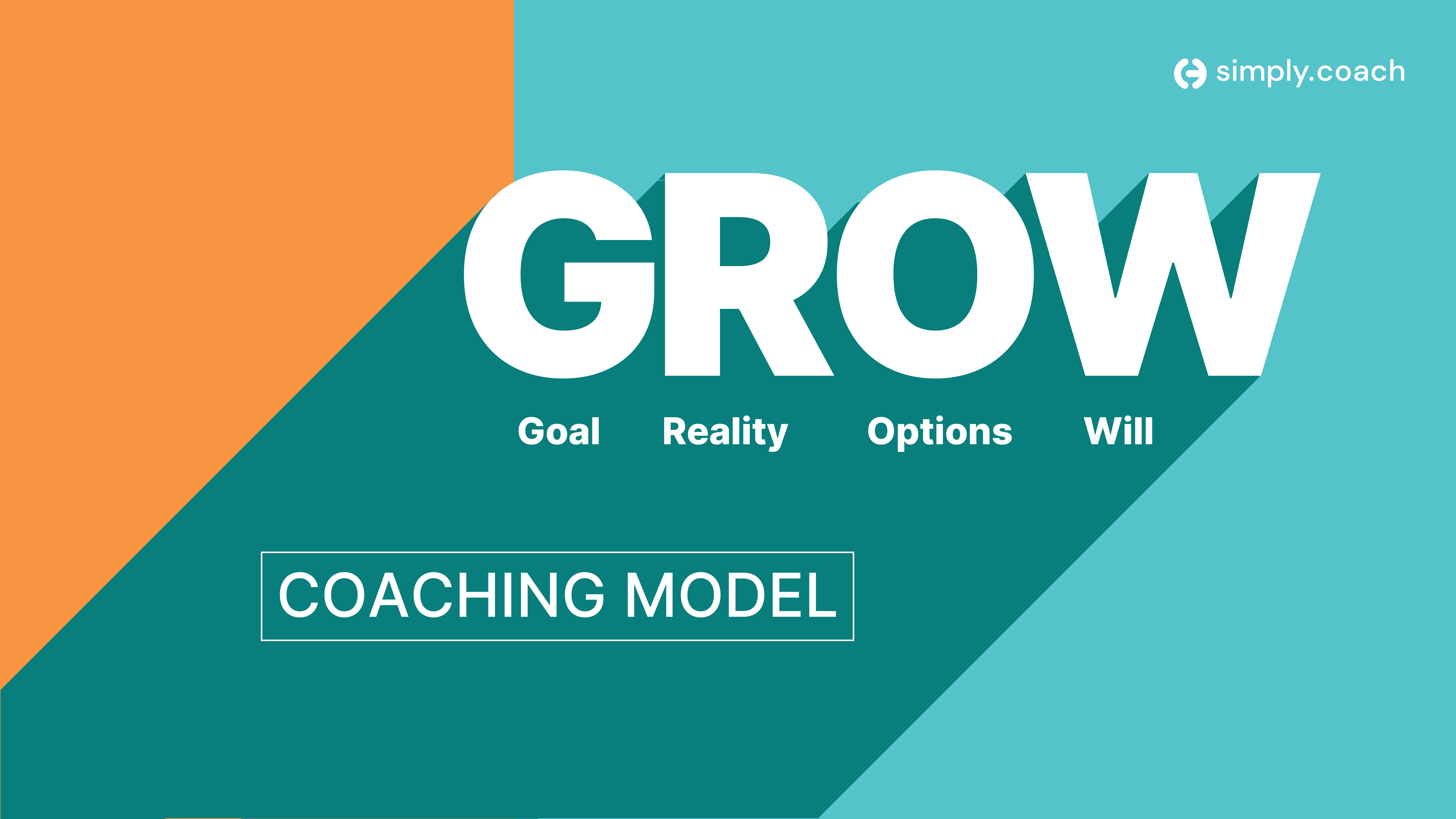
| GROW | Goal, Reality, Options, Will | Goal setting, performance improvement, forward planning | Future-focused, flexible, widely recognized | Offers less depth for problem analysis |
| CLEAR | Contract, Listen, Explore, Action, Review | Building trust, establishing new coaching relationships | Relationship-focused, supportive, strong listening framework | Time-intensive, may drift without clear direction |
| OSKAR | Outcome, Scale, Know-how, Affirm, Review | Solution-focused sessions, complex problem-solving | Positive, strength-based, encourages practical action | Can overlook deeper emotional or systemic issues |
Why STAR Works with How the Brain Learns and Acts
Understanding the neuroscience behind STAR makes its design even more compelling. Each stage aligns with how the brain processes experience, manages emotion, and forms new habits.
Situation – Activating Recall and Context
The Situation stage engages the hippocampus and prefrontal cortex, which help us recall details and place events in context. By revisiting an experience with structure, clients reduce cognitive overload and shift from emotional reaction to observation, creating the clarity needed for meaningful reflection.
Task (or Thoughts) – Building Metacognitive Awareness
Here, the anterior cingulate cortex and insula come into play, supporting cognitive control and self-awareness. When clients name their thoughts, expectations, and self-talk, they’re practicing metacognition, noticing how they think. That awareness makes it possible to reframe limiting beliefs and create new mental patterns.
Action – Strengthening Conscious Choice and Agency
Reflecting on behavior engages the motor cortex and basal ganglia, areas linked to movement and habit. Exploring what they did and why helps clients separate automatic reactions from deliberate choices, strengthening their sense of agency and confidence to act differently next time.
Result – Reinforcing Learning and Motivation
Evaluating outcomes activates the brain’s reward pathways and prefrontal regions, which reinforce learning through dopamine-driven feedback. This process consolidates insight and motivation, turning reflection into real behavioral change.
In essence, STAR mirrors the brain’s natural rhythm of growth: recall, awareness, action, and reinforcement. It works not just because it’s structured, but because it’s built on how people are wired to learn and evolve.
Creative Applications in Practice
What makes the STAR Coaching Model stand out is how naturally it fits into different real-world settings. It brings structure without rigidity, making reflection practical in teams, leadership programs, and even digital spaces.
Team Retrospectives
In team reviews, STAR turns what could be a tense debrief into a learning conversation. Walking together through Situation, Task, Action, and Result helps people focus on what actually happened and what guided their choices. Instead of blame or vague reflection, it becomes a space for shared understanding and collective growth.
Onboarding and Mentorship
STAR also works beautifully in the first months of a new role. By revisiting early challenges and results, new hires can see how their actions align with company values and expectations. Mentors often use the model to help them process experiences and build confidence, turning uncertainty into learning.
Conflict Resolution
Because STAR draws on Cognitive Behavioral principles, it’s especially effective when emotions run high. Guiding clients through a specific event, what happened, what they thought, how they acted, and what resulted, creates space for both empathy and accountability. It helps people move past reaction toward understanding and repair.
Leadership and Performance Conversations
In performance or feedback settings, STAR helps keep dialogue clear and constructive. The structure grounds the discussion in facts and learning, shifting the tone from why this happened to what can we take from it. It encourages ownership, reflection, and forward movement, all essential for lasting growth.
Best Practices for Coaches
How the STAR model is applied makes all the difference. Used with intention, it becomes more than a framework, it becomes a way of helping clients see themselves clearly and grow with purpose. A few simple practices keep it both powerful and flexible.
- Keep the Process Client-Led: Let clients define the Situation and Result in their own words before you interpret. It builds ownership and often surfaces details that might otherwise stay hidden.
- Use Curiosity Over Correction: In the Task and Action stages, stay curious. Ask how a thought or choice came about instead of labeling it as right or wrong. Curiosity invites reflection; correction tends to close it down.
- Bridge Past and Future: STAR is reflective by design, but the insight only matters if it shapes what comes next. Linking the Result stage to future intentions turns hindsight into foresight.
- Make Reflection Visible: Encourage clients to capture their STAR reflections in writing. Over time, patterns emerge, offering a deeper view of behavior, emotion, and growth that words alone can’t always surface in conversation.
- Balance Structure with Presence: The model gives the structure, but the coach brings the safety. Stay responsive to emotion and context. Flexibility keeps the process human; rigidity limits discovery.
Coaching Skills That Bring STAR to Life
The STAR model doesn’t create transformation on its own—it’s the coach’s skill and presence that breathe life into it. These core competencies help turn structured reflection into genuine insight and change.
- Active Listening
Deep, attuned listening allows clients to fully unpack the Situation and Task stages. Listening for both facts and feelings builds trust and creates the psychological safety needed for honest exploration. - Powerful Questioning: At the heart of STAR is inquiry. Thoughtful, open-ended questions invite clients to explore their experiences without judgment and often spark new awareness right where it’s needed most.
- Cognitive Behavioral Understanding: Knowing how thoughts, emotions, and behaviors interact helps coaches guide clients through reframing limiting patterns—especially during the Task and Action stages where beliefs shape behavior.
- Pattern Recognition: Across multiple reflections, patterns reveal themselves. Coaches who notice recurring themes or reactions can help clients connect the dots, turning isolated insights into meaningful progress.
- Emotional Regulation: When clients revisit difficult moments, the coach’s calm presence matters most. Modeling steadiness allows clients to process discomfort safely and move through it productively.
- Goal-Setting and Action Planning: The Result stage closes with forward movement. Translating insight into clear, actionable next steps turns reflection into accountability—and learning into momentum.
Micro-Skills for Each Stage
| Stage | Coaching Focus |
| Situation | Context gathering, stakeholder mapping, clarifying timelines |
| Task | Surfacing self-talk, challenging assumptions, clarifying expectations |
| Action | Analyzing behaviors, exploring alternatives, recognizing response patterns |
| Result | Evaluating outcomes, extracting insights, linking learning to future behavior |
Bringing It All Together
The STAR Coaching Model brings simplicity and depth together in a way few frameworks do. It helps coaches and clients move beyond surface conversations to examine the thinking, actions, and outcomes that truly shape behavior. By revisiting real experiences through a structured lens, it transforms coaching into a process of learning, not judgment.
What makes STAR lasting is its practicality. It can be applied in almost any context—performance discussions, leadership development, or digital coaching—without losing its clarity or intent. Each stage invites both reflection and responsibility, helping clients see patterns and make deliberate changes that stick.
Ultimately, STAR reminds us that progress doesn’t begin with answers, but with awareness. When reflection becomes structured, learning becomes repeatable—and growth turns from an idea into an ongoing practice.
FAQs
Q. What are the most common mistakes when implementing the STAR coaching model?
Common pitfalls include overanalyzing the past without moving forward, firing too many questions too quickly, offering solutions instead of facilitating self-discovery, and skipping follow-ups that sustain progress.
Q. How can a coach prevent STAR sessions from feeling rigid or formulaic?
Use open-ended, conversational questions and adapt the flow to the client’s energy. Integrating visuals, storytelling, or brief mindfulness exercises can make the process more natural and engaging.
Q. How does the STAR model support accountability and follow-through?
The Action and Result stages are designed for this. They focus on identifying next steps, setting measurable goals, and following up in future sessions to track progress and reinforce change.
Q. How can STAR be adapted for digital coaching?
Platforms like Simply.Coach make it easy to use STAR remotely, coaches can create templates for each stage, track goals, and use reflection journals so clients stay engaged between sessions.
Q. What skills help coaches get the most out of STAR?
Active listening, powerful questioning, and an understanding of CBT principles are key. Coaches who can spot thought patterns, regulate emotions, and guide reflection without judgment create the conditions for the model to work best.
Q. In what contexts does STAR have the most impact?
STAR works especially well in performance reviews, leadership development, and team learning—anywhere real experiences can be analyzed for behavior, mindset, and outcomes. It’s particularly effective when the goal is building awareness that leads to lasting behavioral change.