Model Overview
Coaching conversations often spark powerful insights, but without structure, those insights can fade before they turn into action. Many coaches know the frustration of clients leaving a session energized, only to return weeks later with little real progress.
That’s where the CIGAR Model comes in. By moving step by step from the current reality to the ideal future, identifying gaps, committing to action, and circling back with review, it transforms dialogue into momentum. Simple, practical, and repeatable, it’s a framework that helps coaches and consultants create accountability without losing the human connection at the heart of their work.
Why CIGAR Was Created
The early 2000s marked a turning point in coaching. While models like GROW were already widely used, practitioners and researchers saw a recurring problem: coaching conversations often generated powerful insights, but those insights didn’t reliably translate into sustained action. Suzy Green and Anthony Grant, both pioneers in positive psychology and evidence-based coaching, set out to address this gap.
In 2003, they introduced the CIGAR Model as a structured alternative that could better link reflection with measurable outcomes. By incorporating elements such as Gaps and Review into the familiar goal-setting flow, the model was designed to maintain progress visibility, practicality, and accountability. It emphasized not just defining a destination, but also clarifying what stands in the way and ensuring that learning carries forward session after session.
The purpose was never to replace other coaching frameworks but to evolve them. CIGAR brought a sharper focus on sustained change — making it especially relevant in leadership, performance management, and organizational contexts where outcomes matter as much as insight.
When and Why the CIGAR Model Work
Coaching conversations often lose momentum when clients walk away with insights that sound powerful in the moment but don’t translate into real change. The CIGAR Model helps bridge that gap by linking reflection with action. It’s most effective when there’s a clear need to move from current performance toward defined outcomes—especially in moments where accountability and progress really matter.
It motivates by making the gap between ‘where things are’ and ‘where they could be’ clear and tangible. It keeps things practical through structured, reviewable steps. And it sustains engagement by drawing on strengths, not just focusing on gaps.
- Performance management and leadership coaching, where goals must turn into measurable results
- Career development, when aspirations need a concrete, actionable roadmap
- Change management, to guide individuals or teams through transitions with clarity and ownership
- Mentorship, helping mentees take ownership of their progress
- Team retrospectives, where reflection should lead to visible improvement, not just discussion
- Onboarding, giving new hires a clear definition of early success
Its strength lies in turning awareness into accountable action.
Framework Breakdown
I think of the CIGAR Coaching Model as a conversation that unfolds in five stages: exploring the present, shaping what’s ideal, clarifying the gaps, committing to action, and closing with review. Each stage builds naturally on the last, keeping the process simple yet thorough enough to spark momentum and create accountability.
Current – Understanding the Present
This stage focuses on surfacing the client’s current reality — what is truly happening right now. It invites clients to reflect openly on their situation, challenges, and feelings, creating a shared understanding of the starting point.
Questions to open:
- What is happening right now?
- What are your main challenges at the moment?
- How do you feel about your current situation?
- What are you satisfied or dissatisfied with?
- What factors are shaping your current reality?
Follow-up prompts:
- When did you first notice these issues?
- Who else is affected?
- How are you measuring progress currently?
- Can you share more details about a recent example?
- What have you tried so far?
Ideal – Defining the Destination
At this stage, the focus shifts to creating a vision of success — what the client wants their future to look and feel like. Clients articulate what success would look and feel like, building a vivid picture of the destination they’re moving toward.
Questions to open:
- If everything turned out perfectly, what would it look like?
- What would success feel like for you?
- What would you like to feel in a year?
- How will you know you’ve achieved it?
- What matters most about this goal?
Follow-up prompts:
- What else would be different?
- Who benefits if you reach this ideal?
- How will this impact daily life?
- What would you celebrate?
- If you could make it even better, what would it look like?
Gaps – Identifying What’s Missing
Once the current and ideal are clear, the next step is exploring what’s in the way. This stage makes the vision practical by identifying barriers and highlighting resources that may be missing.
Questions to open:
- What’s stopping you from moving forward?
- What obstacles are in your way?
- What’s keeping the current reality in place?
- What skills or resources are missing?
- Where are the biggest gaps between now and the ideal?
Follow-up prompts:
- What patterns do you notice?
- Who could help remove some barriers?
- Have you overcome similar gaps before?
- Which gap worries you most?
- What would help narrow the gap?
Action – Creating the Plan
At this stage, the focus shifts from reflection to commitment, turning ideas into concrete steps. The goal is to define small, specific steps and establish how progress will be tracked
Questions to open:
- What actions can you take this week?
- What’s the very first small step you could take to start closing the gap?
- What support do you need?
- How will you track progress?
- What’s one thing you can commit to now?
Follow-up prompts:
- Who will you share your plan with?
- What might derail your efforts?
- What resources can you draw on?
- When will you review these actions?
- What motivates you to act now?
Review – Building Accountability
The final stage closes the loop by reinforcing accountability and learning. Clients reflect on what worked, what didn’t, and how to keep progress alive. This step reinforces accountability and learning.
Questions to open:
- What progress have you made since we last met?
- What worked, and what didn’t?
- What did you learn?
- Who else benefitted from these changes?
- What’s your next focus area?
Follow-up prompts:
- How will you celebrate your wins?
- What would you do differently next time?
- Who can support your ongoing progress?
- What’s your next milestone?
- How can you sustain momentum?
Many coaches use simple tools at this point, including a CIGAR worksheet or digital templates in coaching platforms such as Simply.Coach. Capturing the client’s current reality, ideal state, identified gaps, actions, and review notes in one place makes the process tangible. It also ensures that the next session begins with real progress to build on, rather than starting the reflection all over again.
Applications & Adaptations
The CIGAR Coaching Model is most effective when clients need clarity on their current state, their desired future, and the path between the two. Its step-by-step flow makes it especially practical in contexts where progress needs to be visible and measurable.
Performance Improvement
CIGAR is a strong fit when results need sharpening. A sales team, for example, might define the current pipeline as the “reality,” set conversion targets as the “ideal,” surface skill or resource gaps, and commit to weekly actions. The review stage then holds them accountable to what was agreed.
Career Development
I often see clients use CIGAR when navigating career transitions. They describe their ideal role or industry move, identify gaps in skills or experience, and shape steps such as reskilling or networking. Regular reviews keep things grounded and moving forward.
Health and Wellbeing
The model works equally well for personal goals. Whether it’s fitness, stress management, or lifestyle change, clients create a vision of improved wellbeing, notice the habits or stressors that hold them back,and commit to stepwise actions. Reviews help track progress and sustain motivation.
Organizational Change
During restructuring or transformation, leaders use CIGAR to define success, identify blockers across teams, and coordinate next steps. The review stage ensures alignment as change unfolds.
I’ve also seen it applied in education, conflict resolution, and diversity initiatives. Whatever the setting, the flow stays the same: clarify the current state, define the ideal, identify the gaps, act, and review.
Digital Application
The CIGAR Coaching Model adapts seamlessly to digital coaching, where structure and accountability can be captured in real time. On platforms such as Simply.Coach, each stage can be recorded using structured session templates, from noting the current reality and defining the ideal, to identifying gaps, logging actions, and tracking reviews.
What I find especially useful is how the model supports progress between sessions. Action plans can be updated asynchronously, so clients and coaches see movement in real time. Whether the coaching happens in person or virtually, that visibility keeps accountability alive and makes the process feel continuous rather than stop-start.
Challenges and Limitations
The CIGAR Coaching Model is a strong framework for outcome-oriented coaching, but like any tool, it’s not perfect everywhere. Its strength, moving from reflection to action, can also become a blind spot if it’s applied without care.
Common Pitfalls to Watch For
One risk is moving too quickly into the “ideal” without anchoring it in what’s realistic. A vision that inspires but can’t be acted on leads to frustration. Another is skimming past the Review stage. Without steady follow-through, progress looks good on paper but slips in practice. For newer coaches, rapport-building can be overlooked, since CIGAR doesn’t explicitly include it as a stage. Without trust, even the best plan won’t hold.
When CIGAR Might Not Work
The model isn’t suited for issues that are highly emotional or undefined. Clients navigating trauma, grief, or identity questions often need therapeutic or more open-ended approaches. When direction is still unclear, solution-focused or narrative coaching may help create clarity before a structured model like CIGAR is introduced. CIGAR is most effective once outcomes can be named and measured.
Adaptations Across Cultural Contexts
Culture shapes how people talk about gaps, accountability, and success. In more hierarchical or indirect settings, the word “gaps” may feel too blunt. Reframing gaps as ‘opportunities,’ or taking more time on shared context before naming actions, often helps.
In group settings, aligning around collective ideals before individual ones makes the process more inclusive.
Comparative Analysis
| Model | Core Components | Best Use Case | Strengths | Limitations |
| CIGAR | Current, Ideal, Gaps, Action, Review | Skills development, performance improvement, outcome-focused coaching | Structured and practical; helps bridge the present to the desired state; emphasizes progress you can measure | Trust-building isn’t built in; can feel rigid if goals aren’t clear |
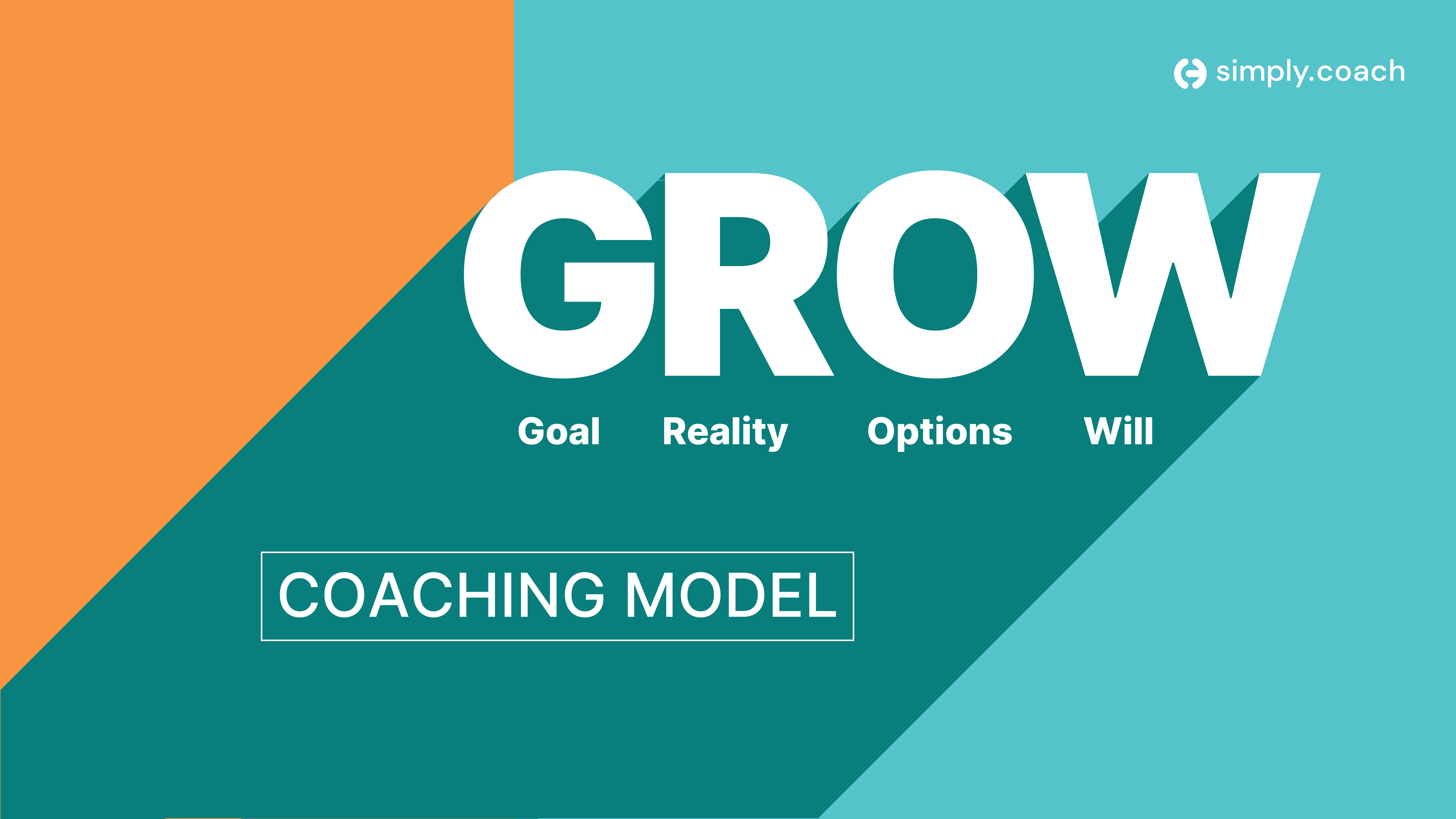
| GROW | Goal, Reality, Options, Will | Broad use across leadership, performance, life, or team coaching | Simple, widely used, and easy to apply; sharpens clarity around goals | May miss deeper root causes; can feel too linear |
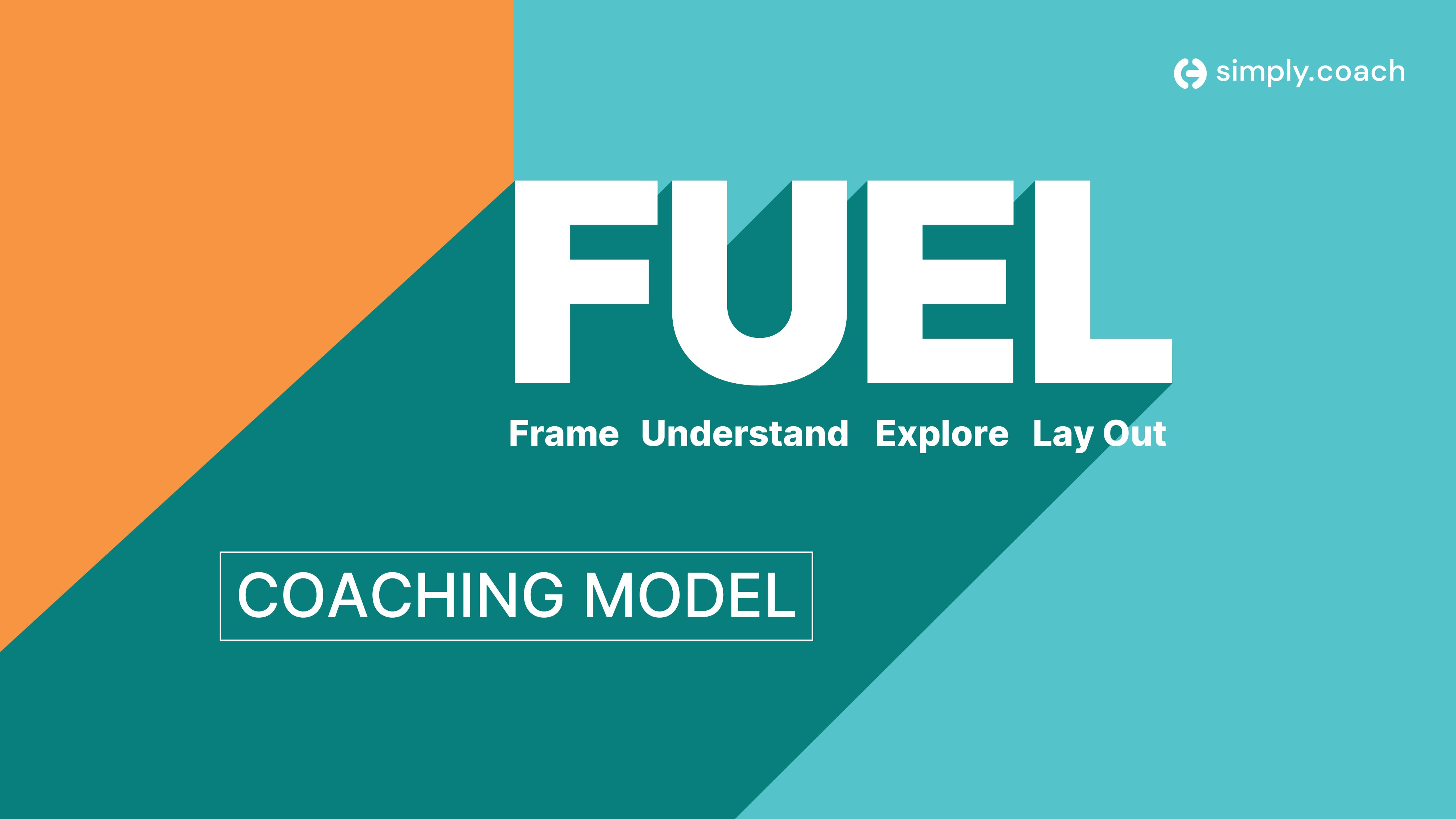
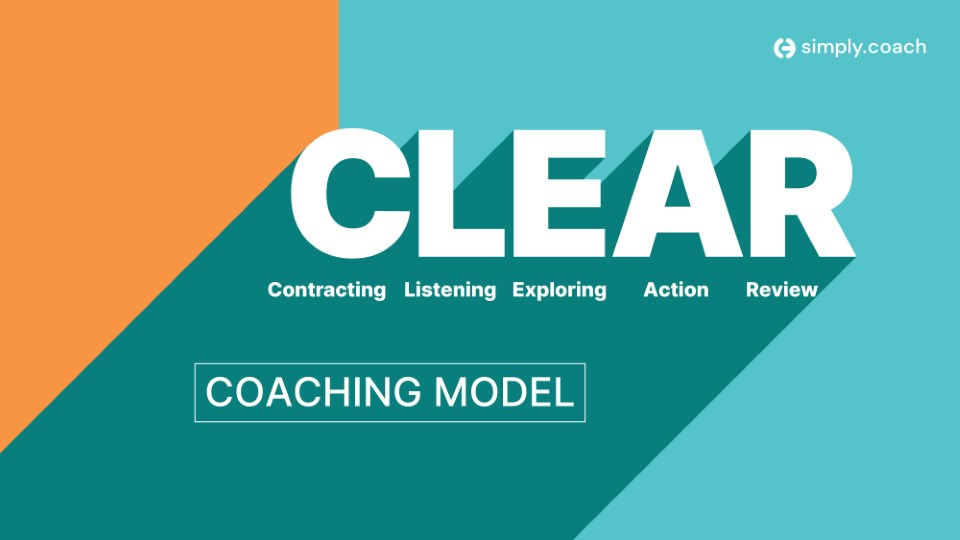
| CLEAR | Contract, Listen, Explore, Action, Review | Team and leadership coaching, organizational contexts | Strong on contracting and systemic exploration; builds solid agreements | Can feel heavy or time-consuming in shorter sessions |
| OSKAR | Outcome, Scaling, Know-how, Affirm/Action, Review | Solution-focused or strengths-based coaching | Positive and future-oriented; shines a light on resources and progress | Lighter on diagnosing barriers; less detailed in action planning |
What the Research Shows
Research findings largely confirm what practitioners observe in practice.
Applied, Knowledge, and Work-Based Oriented Project in Management (2020, UWL Repository)
This study found that while CIGAR creates clarity and structure, novice coaches sometimes struggle with its intensive, question-driven flow.
Without trust, the process can feel mechanical. The key takeaway was to slow down at the start of the process. Coaches should build rapport, ask fewer but better questions, and bring patience to the process so clients feel supported rather than interrogated, particularly during organizational change
Ambition Sales Coaching Models (2022)
In sales coaching, CIGAR outperformed directive models for lasting habit change. Its gap-analysis and continuous review loop helped new behaviors stick. The key takeaway was not to focus only on targets. Instead, spend time mapping gaps, committing to small actions, and revisiting progress regularly.. That rhythm builds durable improvements rather than quick wins.
Why CIGAR Aligns with How the Brain Works
CIGAR feels effective in practice because its stages align with how the brain learns and drives behavior change. Each step taps into specific cognitive and emotional processes:
Current – Building Awareness:
The Current stage engages the brain’s reflective systems, helping clients see their situation more accurately. By naming reality, blind spots come into view and the brain’s threat response settles, creating safety for change.
- Engaging the prefrontal cortex supports perspective-taking, accurate self-reflection, and better decision-making.
- Identifying blind spots reduces cognitive distortions and creates a more grounded view of the present.
- Reducing threat activation calms anxiety and builds readiness for insight and growth.
Ideal – Fueling Motivation:
The Ideal stage taps into the brain’s reward pathways, making the future feel compelling and attainable. Vivid visualization releases dopamine, boosting motivation and persistence.
- Activating dopaminergic pathways boosts motivation, persistence, and goal-directed behavior.
- Vivid visualization strengthens emotional engagement, making the desired future feel closer and more achievable.
- Connecting vision to meaning deepens commitment and sustains effort through obstacles.
Gaps – Activating Problem-Solving:
The Gaps stage creates healthy tension between the current state and the desired future. This cognitive dissonance activates the brain’s problem-solving networks, encouraging resilience and proactive thinking.
- Highlighting obstacles generates dissonance that motivates resolution.
- Engaging problem-solving circuits shifts focus from avoidance to constructive action.
- Framing challenges clearly boosts resilience and readiness to adapt.
Action – Driving Behavior Change:
The Action stage engages the brain’s executive systems to turn intention into behavior. Breaking goals into small, specific steps makes them easier to follow, while each success reinforces new habits.
- Activating the frontal lobes translates plans into concrete behavior.
- Creating implementation intentions makes steps more achievable for the brain to execute.
- Celebrating small wins triggers the reward system, reinforcing progress.
Review – Reinforcing Progress:
The Review stage consolidates learning and strengthens positive change. Celebrating progress activates reward pathways, while reflecting on setbacks turns mistakes into insights.
- Reinforcement learning strengthens neural pathways tied to effective behaviors.
- Reflecting on setbacks helps the hippocampus store lessons for future use.
- Closing the loop wires in lasting, adaptive patterns of behavior.
Best Practices for Coaches
How CIGAR is applied matters as much as the framework itself. From research and practice, a few principles stand out:
- Start with trust: Because the model is highly question-driven, take time to build rapport before diving in.
- Stay practical: It’s tempting to linger in the “ideal,” but ensure each vision connects to clear, realistic steps.
- Make Review non-negotiable: Accountability is where the model holds its power. Treat reviews as central, not optional.
- Adapt language: In some cultures, reframing “gaps” as “opportunities” helps keep engagement high.
- Blend where needed: Incorporate empathy and reflective techniques from other models if the conversation requires more depth
Coaching Skills That Bring CIGAR to Life
The framework is only as effective as the coach behind it. Skills that matter most include:
- Active listening: Tune into both what’s said and unsaid, noticing patterns in the client’s reality.
- Empathy: Build psychological safety so challenges and aspirations can surface.
- Effective questioning: Ask open, probing questions that uncover insight.
- Goal setting: Shape realistic action plans tied to values, not just tasks.
- Accountability: Support follow-through without creating pressure.
- Feedback delivery: Offer constructive input that sharpens action.
- Reflection facilitation: Help clients draw lessons in Review so change sticks.
Each stage of CIGAR calls for a slightly different coaching presence:
- Current: Listen deeply, ask clarifying questions, hold space for honest self-assessment.
- Ideal: Encourage visioning and values-based exploration to make outcomes energizing.
- Gaps: Stay curious and supportive, helping clients identify obstacles without judgment
- Action: Narrow broad intentions into concrete, achievable steps.
- Review: Facilitate reflection, celebrate wins, and reinforce accountability.
These micro-skills align with the ICF Core Competencies and provide a roadmap for sharpening coaching practice with CIGAR
See It in Action
If you want to get a feel for how the CIGAR Coaching Model works in practice, this short demo is a good place to start:
Coaching Demonstration: How to Use the CIGAR Model — a step-by-step walkthrough of each stage in a structured session.
Bringing It All Together
The more I’ve worked with the CIGAR Model, the more I see it as a bridge between reflection and accountability. It creates structure without losing space for insight, helping clients move from what is to what could be. Like any framework, “Like any framework, it isn’t perfect, it requires trust, flexibility, and cultural sensitivity to be effective. But when those conditions are present, it reliably turns abstract goals into visible progress.
What stays with me isn’t the acronym itself, but the rhythm it brings: slowing down to explore the present, envisioning the ideal, naming real gaps, committing to action, and circling back to review. That rhythm creates momentum. And when paired with empathy and presence, CIGAR becomes more than a tool, it becomes a coaching habit that consistently moves people forward.
FAQs
Q: How do I stop CIGAR from feeling too rigid or question-heavy?
Start with rapport. Build trust before using the framework and ask fewer but better questions. Think of it as a guide, not a script.
Q: What if a client struggles to define their “ideal”?
Stay patient. Try prompts like “What would success feel like?” or “What would be different if things were better?” The vision often emerges with gentle exploration.
Q: How do I make the Review stage more impactful?
Treat it as central, not optional. Use it to celebrate wins, refine actions, and reinforce learning. That consistency is what builds accountability over time.
Q: Can CIGAR work in group or organizational settings?
Yes. Facilitate a shared “current vs. ideal” discussion, then map collective gaps and actions. This builds alignment and shared ownership.
Q: When is CIGAR not the right fit?
When goals are unclear or the issue is deeply emotional. In those cases, exploratory models help surface clarity first, or therapeutic approaches may provide the right depth of support.